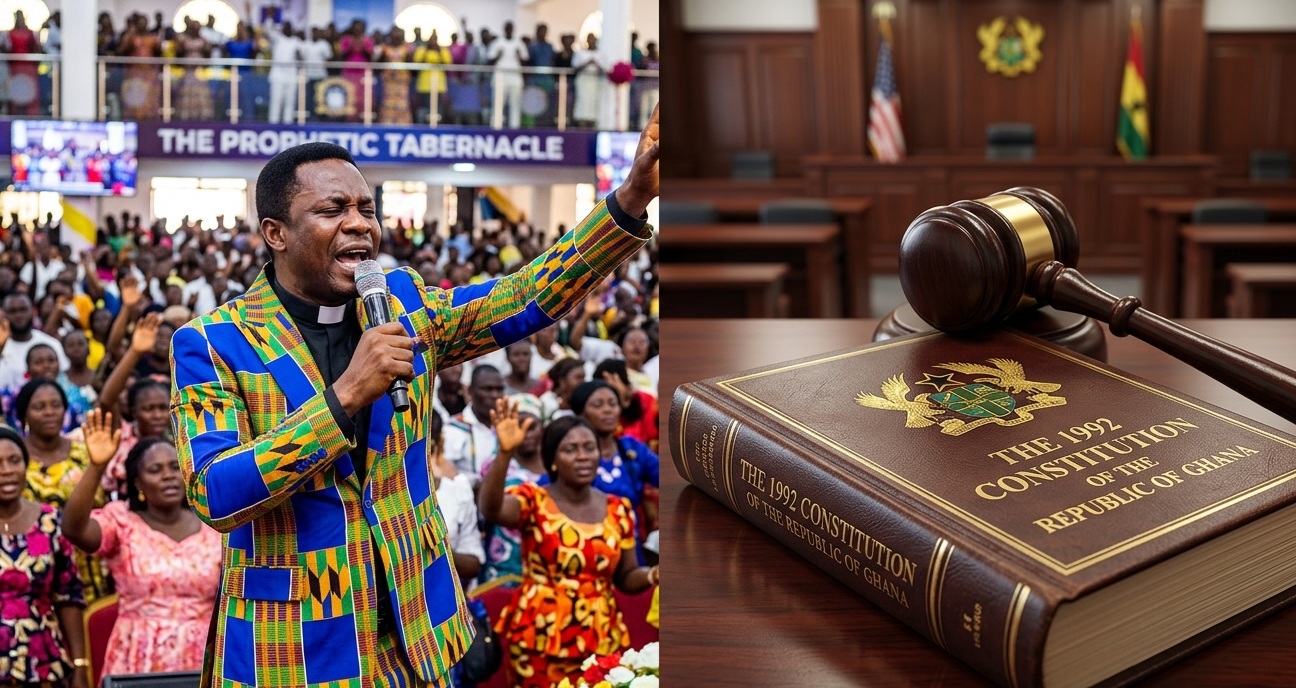
For decades, the "one-man church" has been as much a part of the Ghanaian landscape as the colorful trotros that ply our streets. From makeshift structures under trees to the glitzy, high-tech cathedrals of the "mega-prophets," the religious sector in Ghana has remained largely a frontier of total freedom. But in March 2026, a new conversation is sweeping through the pews and parliament: Is it time for the state to step in?
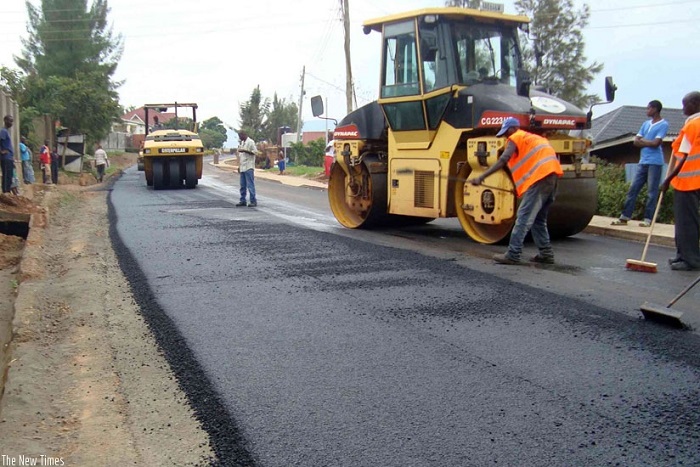
The debate has been reignited following the recent presentation by the Constitutional Review Committee (CRC). While the committee’s 127-page report focuses on governance and accountability, it has sparked a fierce parallel discussion among theologians and citizens alike. The core question? Whether Ghana should adopt the "Rwanda Model" a strict regulatory framework that has seen the closure of over 10,000 churches in the East African nation due to safety issues, lack of theological degrees for leaders, and noise pollution.
The "Rwanda Model" vs. Ghanaian Freedom
In Rwanda, the law now mandates that all pastors must have a degree in theology. In Ghana, however, many "prophetic" leaders claim their "degree" comes directly from the Holy Spirit.
"We are seeing a rise in what many call the commercialization of the Gospel," says Mr. Kofi Kpodo, Executive Director of Christian Awareness 2026. Speaking at a recent media briefing in Accra, he noted that while faith is a cornerstone of national development, the "modern trends" of ministry often clash with the disciplined, ethical standards of previous decades.
Become a professional CCTV Operator today !
The concerns are not merely spiritual. They are practical:
Safety and Soundproofing: Many residential areas are besieged by "all-night" services that exceed legal decibel limits.
Financial Accountability: High-profile scandals involving church funds and the stalled National Cathedral project currently under a "forensic audit" by the Mahama administration have left the public wary.
Exploitation: Allegations of vulnerable citizens being milked for "miracle oils" and "seed sowing" continue to dominate social media headlines.
The response from the religious community has been swift. During a recent Dialogue and Peace Iftar Dinner, Vice President Professor Naana Jane Opoku-Agyemang urged Ghanaians to reject using religion as a tool for division. While she emphasized the partnership between the state and faith-based bodies, the underlying message was clear: peace is "intentional and must be nurtured."
Mainstream bodies like the Assemblies of God and the Church of Pentecost have historically preferred self-regulation. Rev. Dr. Stephen Wengam, General Superintendent of the Assemblies of God, has recently emphasized that the "authentic faith" must lead to patriotism and less corruption, rather than just personal gain.
As the government weighs its options, the fear among many is that strict regulation could be a "slippery slope" toward curtailing the fundamental right to worship. Yet, with the National Cathedral site remaining a "sacred pit" in the heart of Accra and more citizens calling for "constitutional hygiene," the status quo is no longer an option.
Ghana stands at a crossroads. Will we protect the sanctity of the pulpit through state-enforced standards, or will the "prophetic" wild west continue to define our religious identity?