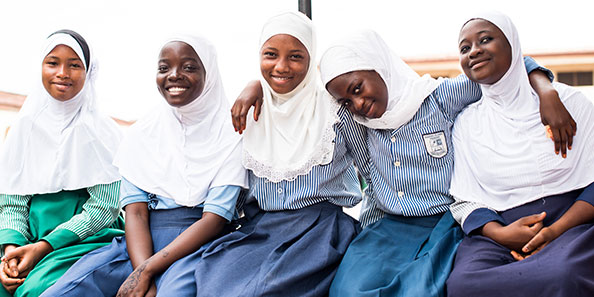
A coalition of Muslim advocacy groups in Ghana has raised serious concerns regarding alleged limitations on Muslim students’ religious practices in mission schools. The Coalition of Islamic Organizations, Ghana (CIHOG), issued a formal statement asserting that certain mission-run schools are preventing Muslim students from practicing core religious observances including daily prayers, fasting protocols during Ramadan, and appropriate dress codes in ways that violate Ghana’s constitutional rights.
CIHOG’s press statement emphasizes that mission schools, though historically affiliated with religious institutions, operate today under Ghana’s national education system. As such, students from all faith backgrounds should enjoy equal rights and protections under Article 21(1)(c) of the 1992 Constitution, which guarantees freedom of religion and non-discrimination.
The coalition has called on the Ministry of Education and the Ghana Education Service (GES) to uphold constitutional guarantees and review partnership frameworks governing mission schools. Advocates argue that discriminatory practices not only erode trust between communities and the education sector but also undermine Ghana’s broader commitments to pluralism and inclusion.
The issue has sparked wider public conversation about religious accommodation in public and quasi-public institutions. As families across Ghana place high value on both faith observance and academic opportunity, the outcome of this dispute may prompt formal policy reviews.